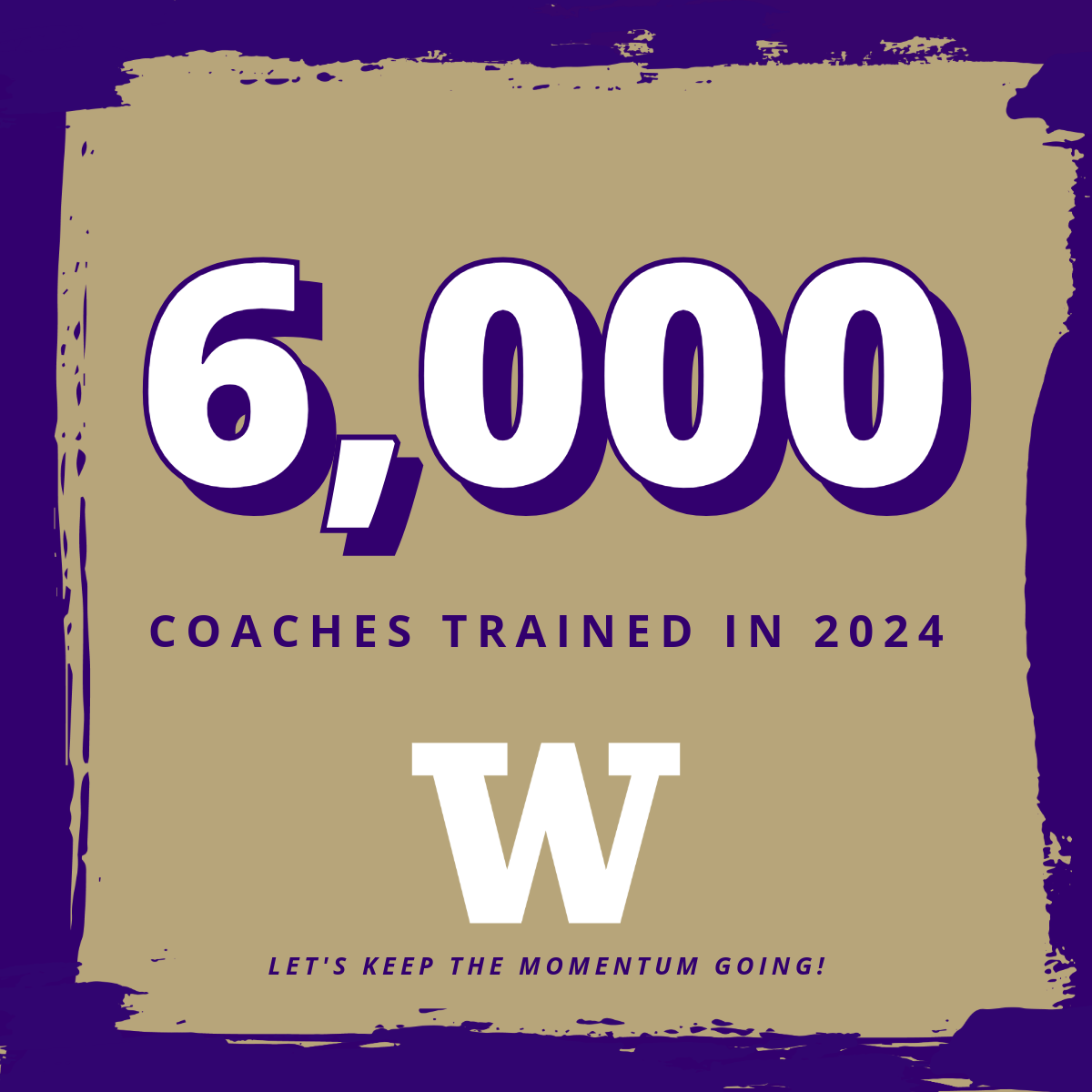
In 2024, the University of Washington Center for Leadership in Athletics (UW CLA) led the way in reshaping the future of sport through innovative programs and partnerships. Guided by a belief in the transformative power of athletics, the UW CLA empowered coaches by providing tools to foster impactful environments. This year, we expanded our reach and impact, supporting women and non-binary coaches, pioneering evidence-based coaching education, and extending our trainings to a national audience. In total, we trained over 6,000 coaches in 2024.
As we look ahead to 2025 and beyond, the UW CLA remains committed to advancing research and building a stronger youth sports pipeline to ensure the positive influence of sport is felt across all communities. In this article, you will find updates on our ongoing efforts to elevate the athletics industry as a whole.
Innovating Coach Development Research
In partnership with the National Federation of State High School Associations (NFHS) Foundation, Washington state coaches, and youth athletes, we advanced evidence-based practices in coach development by creating a first-of-its-kind Foundations of Coaching course, now available to a national audience. Co-developed with input from our researchers, practitioners, and coach developers, the course centers the voices and needs of coaches and youth athletes; charting a new path for coaching education. Feedback from Washington state coaches and youth athletes, gathered through quantitative and qualitative methods, was used to measure the course’s effectiveness and refine it before its national launch. By focusing on coach and youth athlete feedback, the course not only enhances coaching skills but also improves the athlete experience.
What’s next: We are in the process of publishing our findings from the development of this innovative course to inspire others to implement it or use it as a model for shaping the future of coaching education.
Empowering Women and Non-Binary Coaches
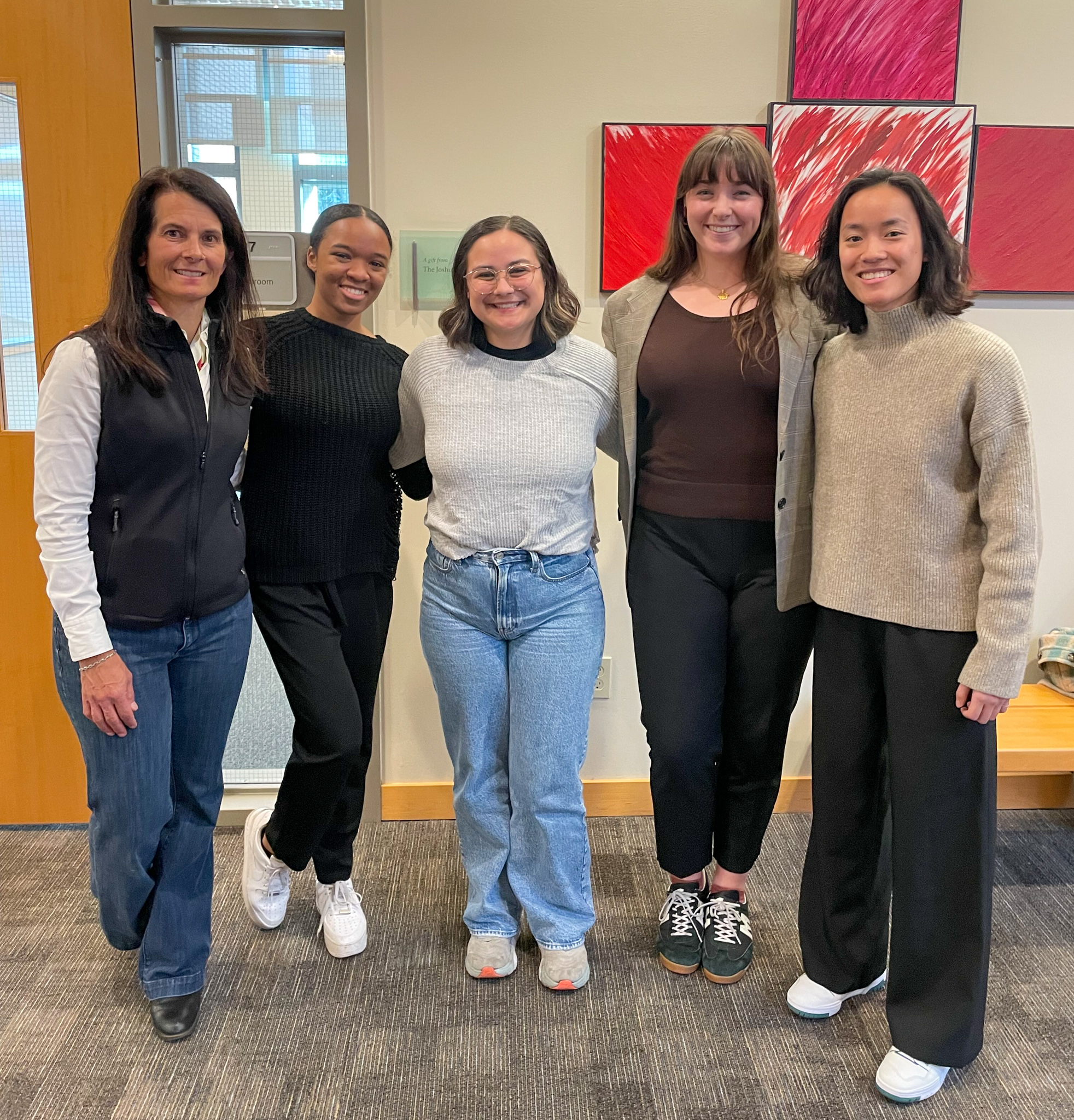
The Game Changers Initiative (GCI) moved forward with its second cohort as part of the one-year program, which is open to all, with a dedicated focus on supporting women at every stage of their coaching journey. Funded by the CoachUp! WA grant, GCI fostered a strong community of female coaches through mentorship, professional development, and coaching education. Participants engaged in quarterly virtual workshops, monthly sport-specific group meetings, and weekly access to resources such as articles and mini-modules. The program also featured an end-of-year wrap-up event to bring together the cohort for a multi-day professional development experience. GCI provided a shared learning community for women and non-binary coaches, equipping them with tools to navigate challenges like gender bias and discrimination, helping them feel supported, stay in coaching roles, and build a lasting career.
What’s next: We plan to sustain and expand GCI’s impact beyond the current grant funding. Future efforts will likely include an annual flagship cohort event in June, monthly and quarterly virtual sessions with panels and guest speakers, and opportunities for GCI alumni to access virtual and in-person programming throughout the year. For more information on how GCI aims to foster long-term participation and strengthen the pipeline of women coaches, read this feature from the UW College of Education.
Expanding Coach Training Partnerships
Over the past several years, we have expanded our partnerships with school districts and state coaching associations, providing impactful training courses based on our research-based best practices. The launch of our foundational adolescent development training e-course, available through the state association, significantly enhanced our visibility, allowing us to connect with school districts and organizations we had not worked with before. Our continued presence at the annual WSSAAA conference for Washington state high school athletic directors, along with new opportunities to attend coaching association convenings for sports like dance, drill, and girls’ basketball, increased the number of coaches we trained this year across Washington state. Nationwide, 75% of coaches have not received formal training. We worked to address this gap by providing accessible, coach- and athlete-centered training, available both online and in-person, to equip coaches with the skills needed to enhance youth athlete experiences, with the hope of increasing retention among both coaches and players.
What’s next: To further expand our impact, we are developing two new courses and leveraging our own learning management system to improve accessibility for coaches across the country. Additionally, we are introducing new tools to deliver certifications and establish baseline standards in safe and effective social-emotional education, helping organizations and parents recognize qualified coaches. By infusing technology and professional standards, we are driving meaningful improvements in the coaching space.
Addressing Systemic Issues
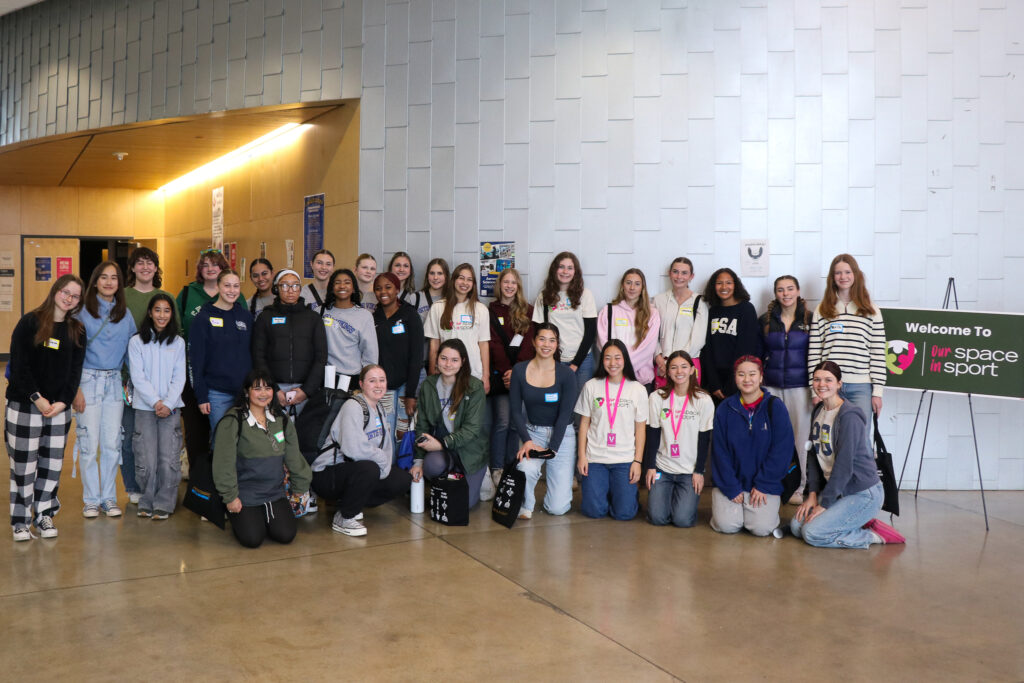
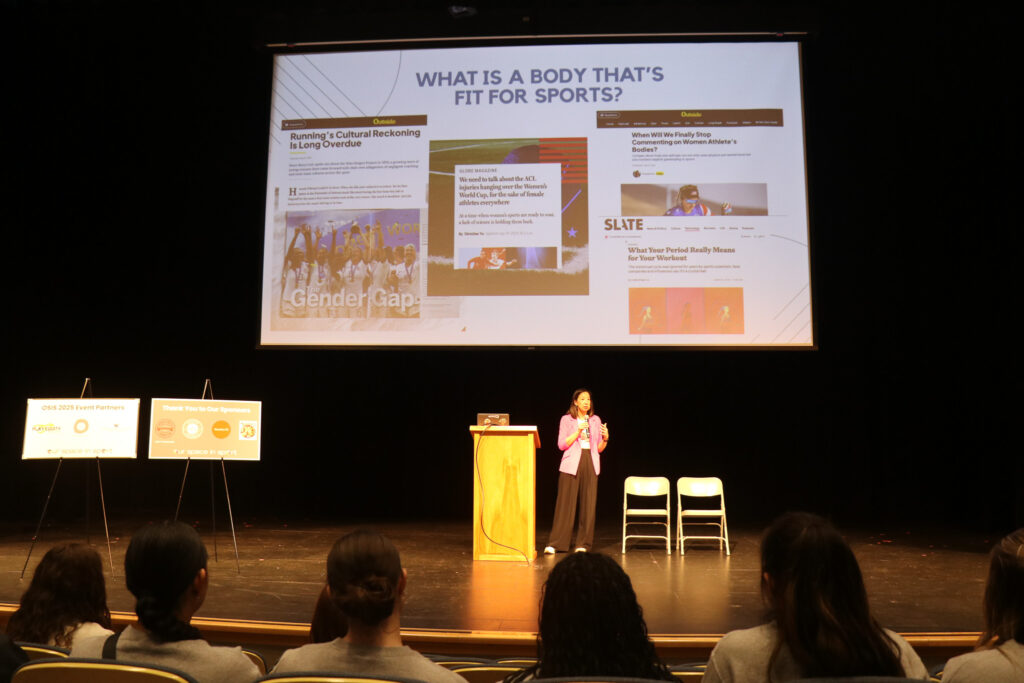
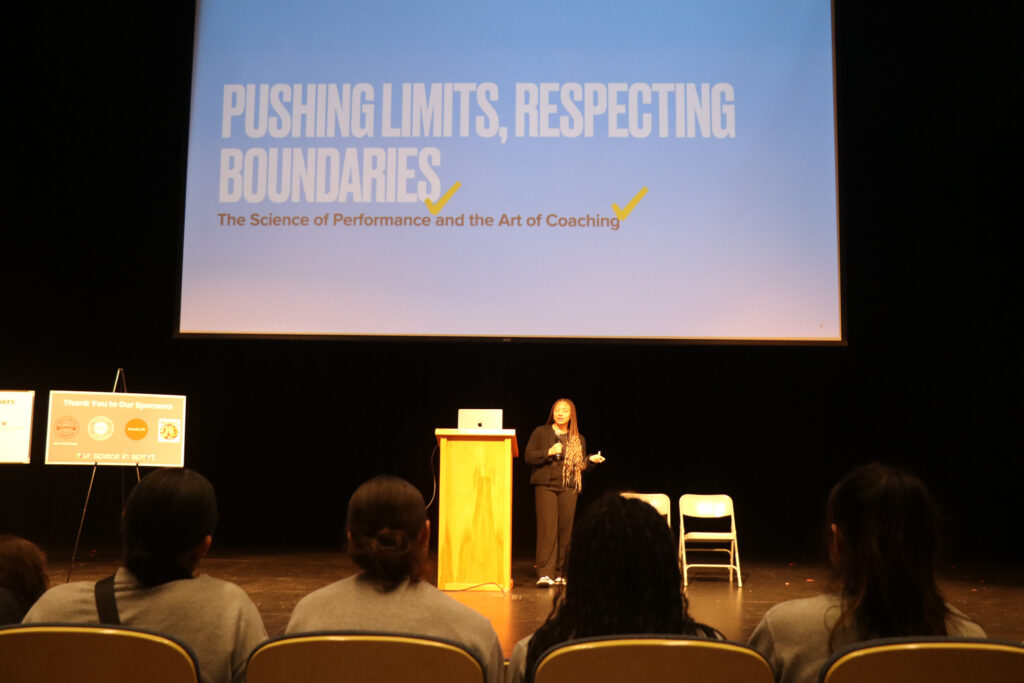
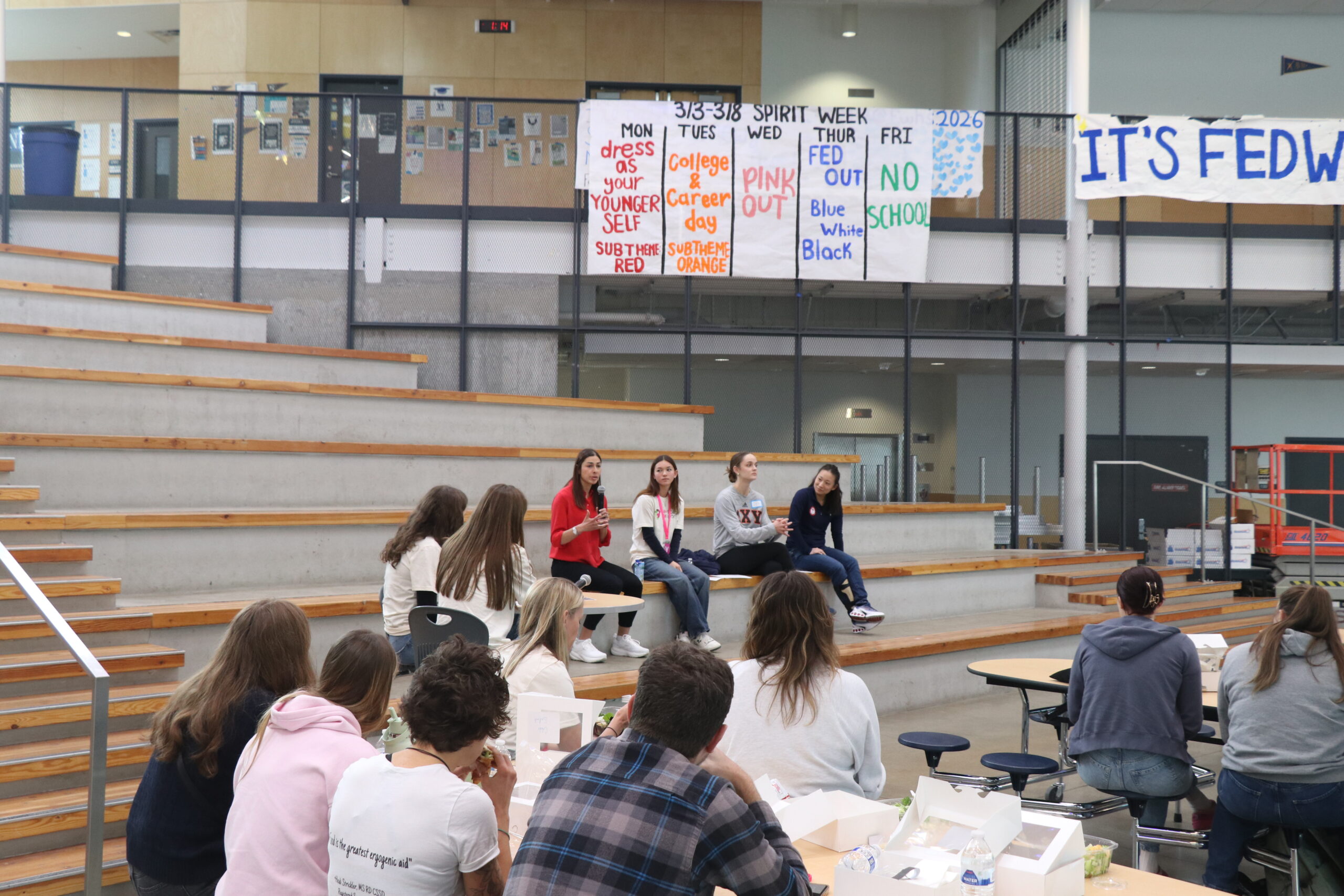
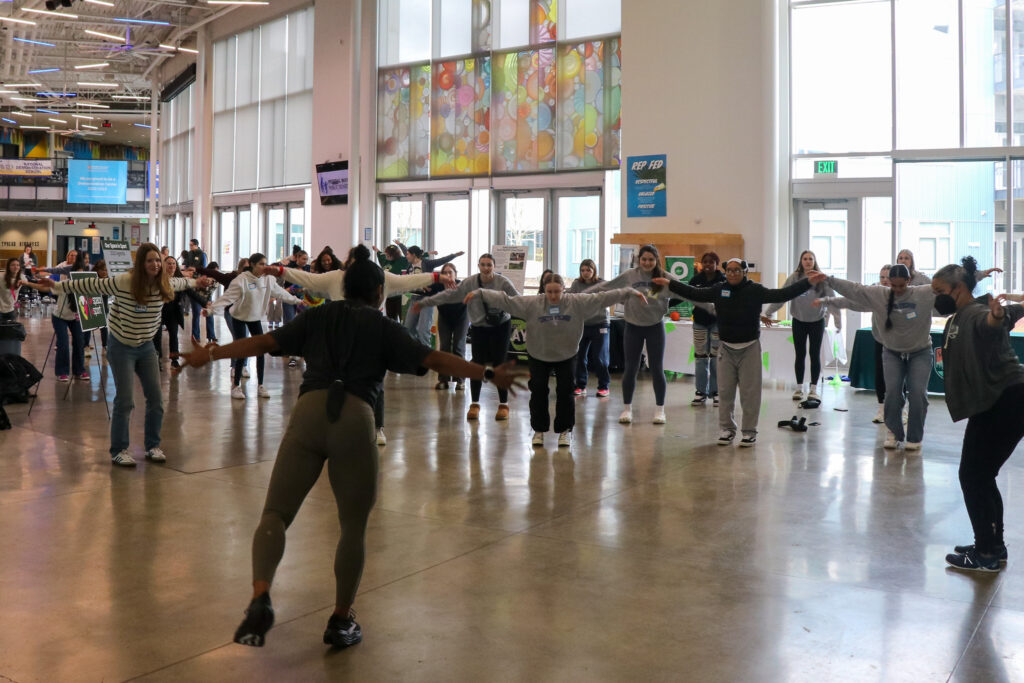
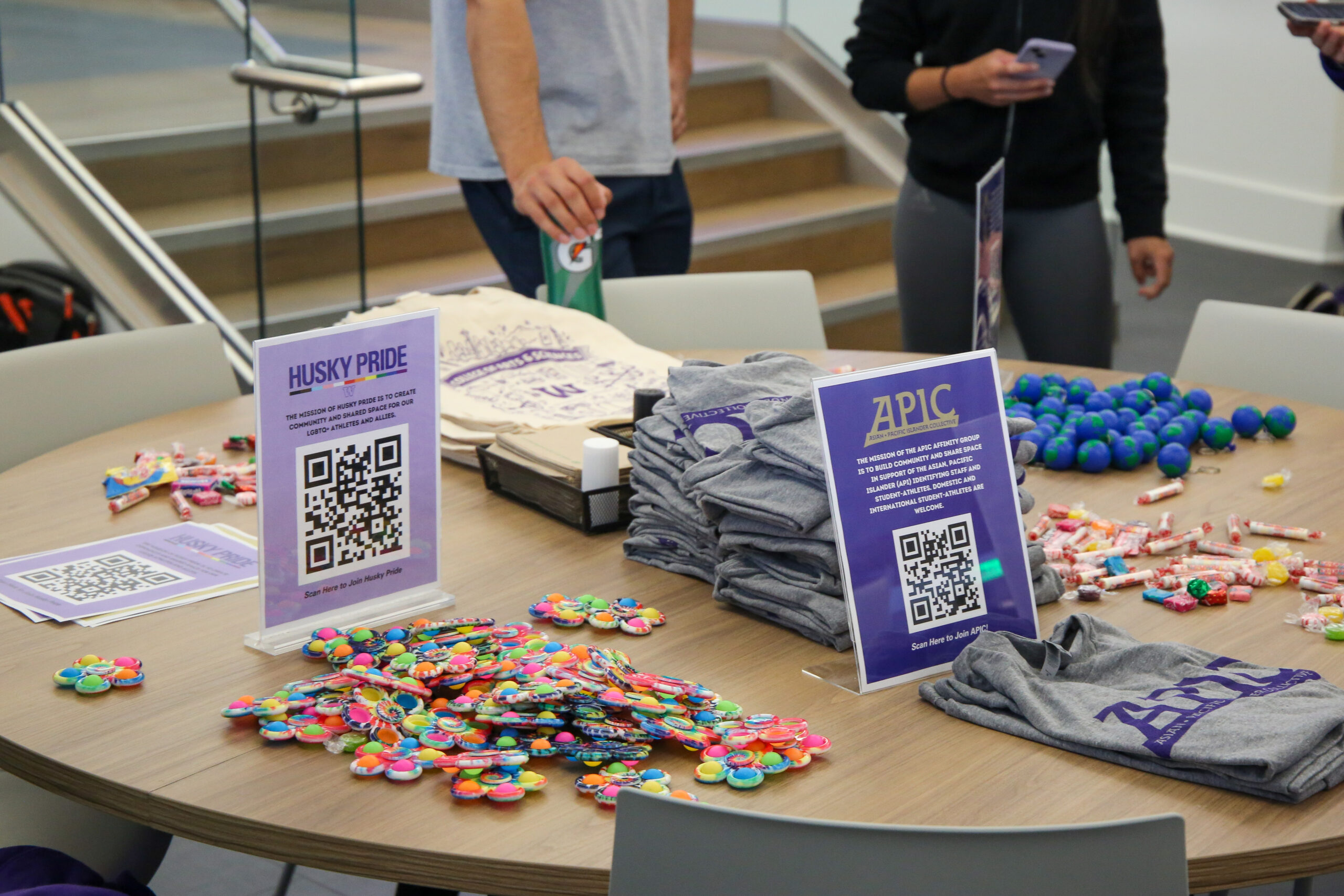
We continued addressing systemic issues in athletics by promoting equity and inclusion across all levels of sport. Through partnerships such as the King County Play Equity Coalition and NFHS Learn and national initiatives like the Million Coaches Challenge, we empowered coaches to prioritize the safety and development of youth athletes, shifting the focus away from simply winning to fostering holistic coaching practices. We also tackled barriers to access by offering free online coaching education and creating pathways and community for underrepresented groups. Programs like Game Changers provided new resources for women and non-binary coaches, while events such as Our Space in Sport offered high school girls and non-binary athletes a free conference to learn about nutrition, physiology, mental training, and leadership.
What’s next: In our upcoming projects, we are working to prioritize athletes’ perspectives and voices. The annual Our Space in Sport event will now feature a student advisory board to plan and structure the conference, bringing valuable input directly from the athletes it serves. Additionally, the Foundation grant we received from NFHS will allow us to gather feedback from youth athletes coached by those who have completed our coach training, providing critical insights to measure how effective our training is on an athlete level and to shape future programs.
Advancing Coaching Knowledge on Female Athlete Performance
We launched an educational series on female athlete health and performance, designed for coaches and sports administrators, with the goal of providing specialized physiology knowledge to enhance support for female athletes. This knowledge empowers coaches to design training programs and sports experiences that meet the unique needs of girls and women in sport. The series has already attracted over 30 participants, primarily from the Northwest region, with more expected to join. As one of the only sport science and coach development programs offering female-specific physiology content, through both community programs like this series and our IAL graduate program, we are addressing a significant gap in athletics. The series equips coaches with the tools and confidence needed to improve female athlete health and performance, which we believe will help keep more girls and women engaged in sport. Participant feedback has been overwhelmingly positive, with many expressing appreciation for normalizing a topic that can often feel uncomfortable to discuss. Supported by CLA dissertation funding, this educational series is making a meaningful impact by creating more supportive environments for female athletes. If you are interested in participating, please contact us at uwcla@uw.edu.
What’s next: We are collecting feedback from participating coaches to better understand their needs and areas of interest. Coaches are encouraged to share this new information with their female athletes and reflect on what worked well and the challenges they faced. By sharing their concerns and experiences, coaches provide valuable insights that allow us to refine future training sessions. Moving forward, we will use feedback from both coaches and athletes to address gaps in traditional coach training for female athletes.
Celebrating the IAL M.Ed. Network
The 2023-24 IAL cohort attended the NCAA Convention in Phoenix, Arizona, where they had the opportunity to hear directly from leaders across all levels of collegiate athletics and attend professional sessions. It was also a year of celebrating significant achievements, such as IAL alumni stepping into new roles, including Will Gulley as Chief Marketing Officer for the Seattle Storm, Robert Kugler as Assistant Offensive Line Coach for the New England Patriots, and Liberty Bracken as Associate Athletics Director for Academic Excellence at UW Athletics. A milestone was reached with IAL alum Missy Strasburg being named Big Sky Coach of the Year and more than 25 IAL alumni now working full-time in athletics. The experience of the 2024-25 IAL graduate students was celebrated in new ways, including a video feature played at graduation. We also celebrated faculty accomplishments, with Ed Scott being named Senior Vice President and Director of Intercollegiate Athletics at the University of Memphis. We welcomed the new 2024-25 IAL cohort, with their experience highlighted during orientation, the summer session, and beyond.
What’s next: We are on the cusp of taking the 2024-25 IAL cohort to Nashville, Tennessee, to attend the 2025 NCAA Convention, where they will have a variety of professional development experiences. We are also seeking new grant funding to create new initiatives in the IAL cohort this year and in the future.
Increasing Synergy at the UW CLA
In 2024, our work was more intentionally designed than ever to connect the different areas of the UW CLA, creating a lasting impact on coaching education and youth sports development. By collaborating with active coaches through research and focus groups, we identified their needs and developed relevant coaching education courses, which were then refined by our measurement and evaluation team. The insights from these coaches were integrated into our undergraduate and graduate courses, as well as into our in-person coach training sessions delivered to school districts and athletic organizations. This full-circle approach integrated our research, curriculum development, and community outreach.
What’s next: We are forming new partnerships with high-impact organizations, both regionally and nationally, that share our values. Expanding beyond the greater Seattle area, we are positioned to deliver our evidence-based coaching professional development programs to more coaches and administrators, further strengthening the youth sports pipeline.